This unique program embeds talented innovators into New York City’s government agencies to tackle the problems that matter most. Instead of innovation trickling down from City Hall, the Fellowship creates a decentralized, bottom up network of change-makers working where government delivers services to millions of New Yorkers. This is what happens when you bring transformative tech talent directly into the machinery of government: transformation from the inside out.
Introduction
The Urban Innovation Fellowship represents a response to a critical gap in municipal government: while many cities have invested in City Hall-level innovation capacity, far fewer have built innovation capabilities throughout entire government systems. In New York City, the implications of this disparity are stark — 300 employees work in City Hall compared to 300,000 across 50+ agencies delivering daily services to 8.4 million residents.
With support from Bloomberg Philanthropies, the Urban Tech Hub at Cornell Tech launched this Fellowship in 2024 to inject innovation capacity directly into City agencies, creating a decentralized “mesh network” of innovation expertise.
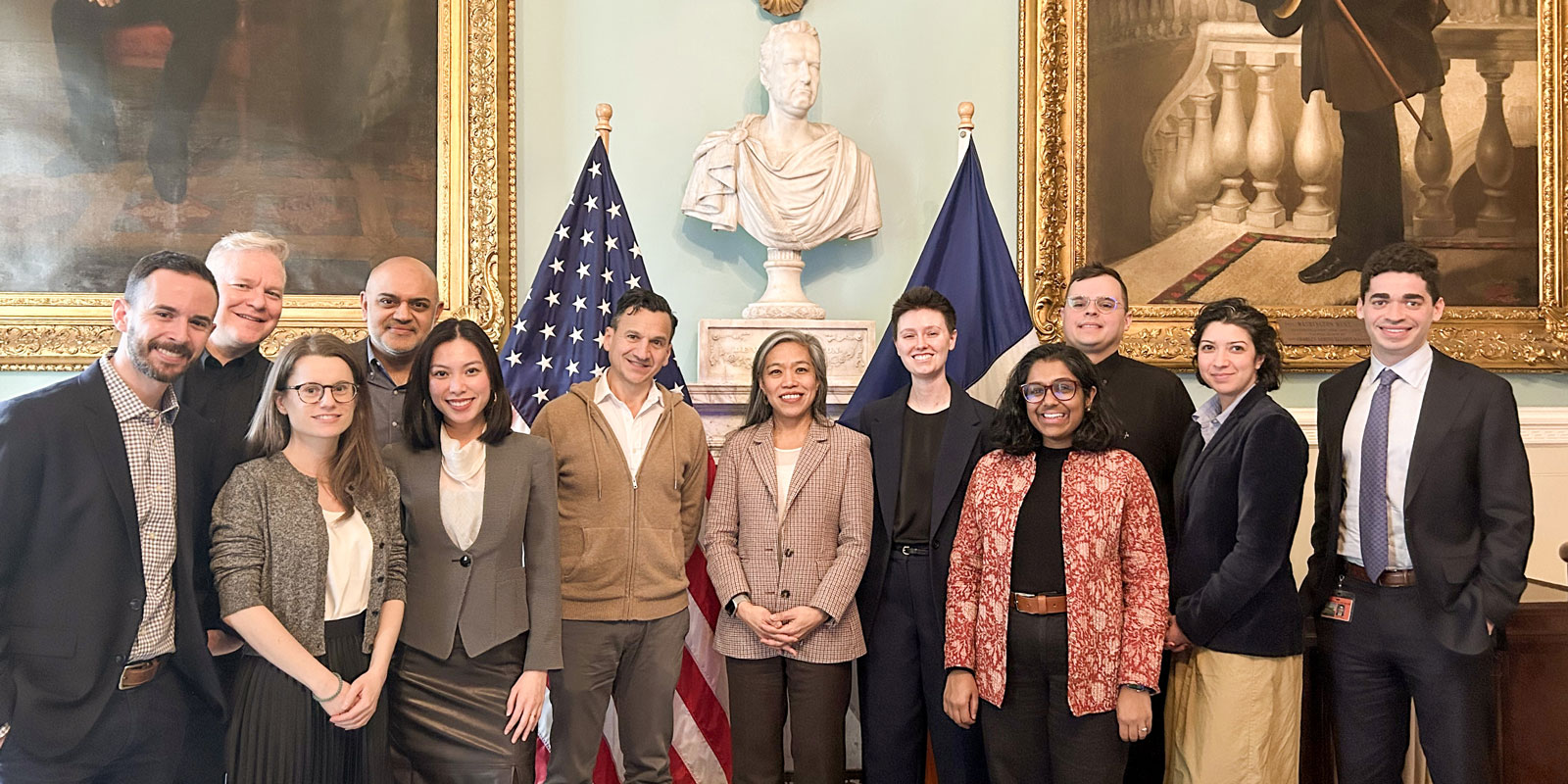
Seven inaugural Fellows — drawn from diverse backgrounds in product management, data science, UX design, urban planning, and startup operations — were embedded across seven NYC agencies: the Departments of Citywide Administrative Services, Environmental Protection, Sanitation, and Transportation, plus NYC Housing Authority, the Economic Development Corporation, and the Mayor’s Office of Contract Services.
The fellows’ projects span three critical themes. First, initiatives at NYCHA and DCAS deploy “bridge” decarbonization technologies while the city transitions to clean energy. Second, projects at DOT, DEP, and DSNY leverage advanced AI and geospatial data technologies for more efficient infrastructure management. Third, procurement reform projects at MOCS and EDC update how agencies engage with the private sector, especially startups.
Deploying “bridge” decarbonization tech
The City has set ambitious goals for decarbonization. One group of projects (NYCHA, DCAS) is deploying “bridge” technologies, including waste heat recapture and renewable diesel, to help decarbonize City-owned properties
Leveraging AI and urban data
Another group of projects (DOT, DEP, DSNY) is leveraging big data and advanced technologies like AI and machine learning to more efficiently manage city assets and strengthen infrastructure to produce results faster and more cost-effectively.
Updating the public-private “API”
The last group of projects (MOCS, EDC) involves updating how City agencies procure services from the private sector – what we think of as an “API” for public-private collaboration. Fellows are updating decades-old procurement frameworks for agencies to move faster and better speak the language of innovative startups.
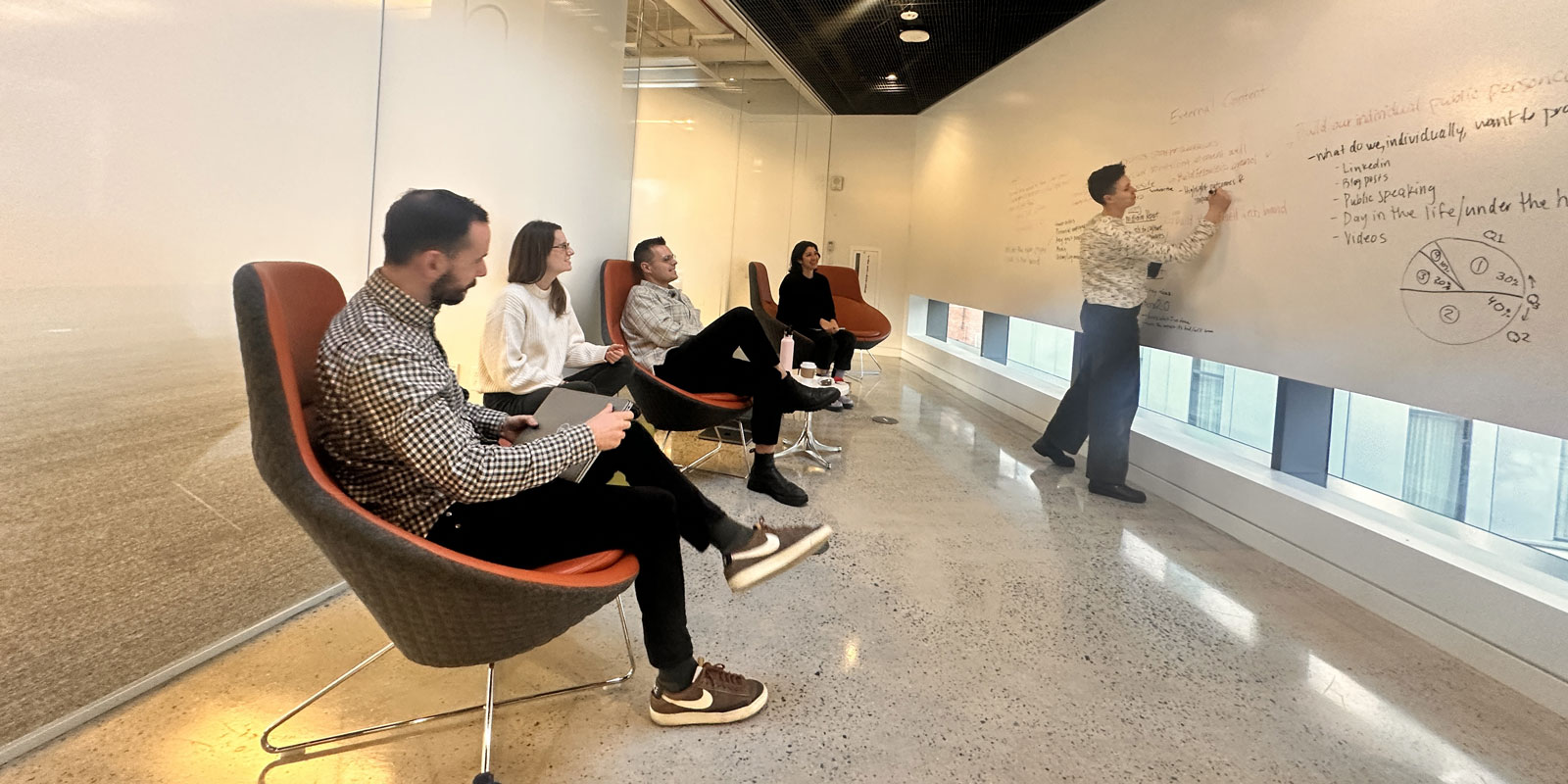
Each Fellow spends four days a week embedded in their agency and one day at Cornell Tech’s Roosevelt Island campus for collaborative learning and knowledge exchange. This structure blends hands-on implementation with academic collaboration, creating both immediate agency impact and a replicable model for other cities. The Fellowship reflects a fundamental belief: cities work better when innovation capacity is built from within, expertise flows freely between departments, and talented professionals dedicate themselves to solving problems affecting millions of lives.
Fellowship overview
Local governments face acute gaps in technology expertise, resources, and agility. While the private sector offers competitive salaries that far exceed civil service compensation, outdated hiring rules and perceptions that cities lack innovation opportunities make recruitment difficult for government. Staying current with emerging technologies demands costly investments and organizational agility that constrain many agencies.
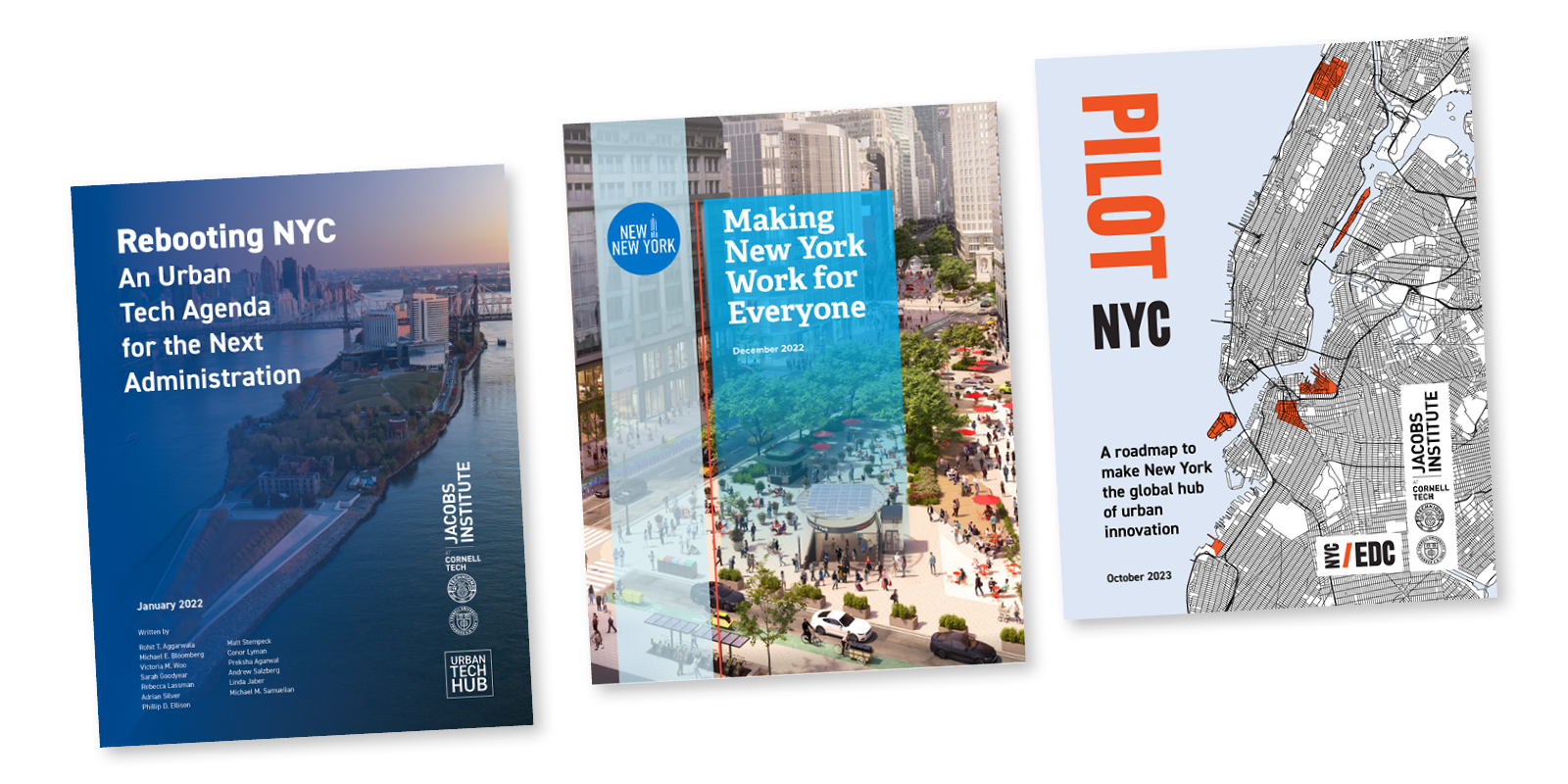
The Fellowship builds on years of research and advocacy by the Urban Tech Hub. The Hub’s 2022 Rebooting NYC report outlined an urban tech agenda for addressing challenges post-COVID. The Governor and Mayor issued 2022’s Making New York Work for Everyone initiative to position the City as a global hub for urban innovation. The 2023 Pilot: NYC report, authored by Cornell Tech and the NYC Economic Development Corporation, emphasized the need to “empower and embed innovation leads at key City agencies.” Drawing on these recommendations, Cornell Tech launched the Fellowship in November 2024.
Agency projects were chosen with both ambition and feasibility in mind. Projects needed to be high priority for the agency, ambitious yet achievable within two years, and initiatives the agencies would not otherwise be able to deliver. Once projects were defined, Cornell Tech hired seven Fellows and matched them to agencies based on their expertise and experience.
The Fellowship pursues four core goals: build collaborative partnerships across public, private, and academic sectors; advance innovative City projects that agencies cannot execute through conventional means; seed a technology and design talent pipeline for city agencies; and develop a replicable model for other cities.
Case Studies
The Fellowship’s seven projects tackle some of New York City’s most pressing challenges across three interconnected themes: deploying emerging technologies to decarbonize City operations, leveraging AI to modernize infrastructure management, and reforming procurement to accelerate innovation. Together, these initiatives demonstrate how embedding talented innovators within agencies can transform everything from how the City inspects streets to how it partners with startups.
NYC Housing Authority (NYCHA)
Powering the future of public housing
New York City’s ambitious climate goals require rapid decarbonization of both the built environment and transportation sectors by 2050. As the largest residential landlord in New York City, NYCHA has an opportunity to leverage its portfolio to help the City make significant progress on achieving its climate goals while improving housing quality for hundreds of thousands of New Yorkers.
Fellow: Noelle Francois

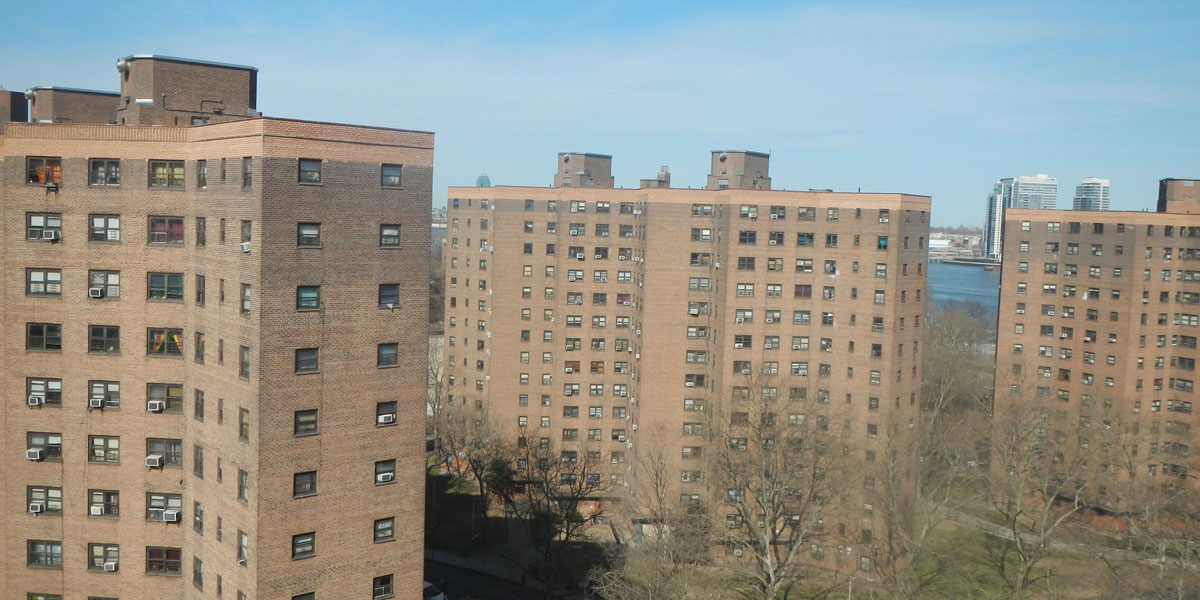
NYCHA houses over 500,000 residents across 335 developments, but decades of federal disinvestment have left it with a $78 billion capital need and aging infrastructure that generates significant greenhouse gas emissions. Local Law 97 requires large New York City buildings to cut emissions 80% by 2050, making decarbonization an urgent priority for the Authority.
To address this, NYCHA Fellow Noelle Francois is spearheading two high-impact initiatives. The first is a wastewater heat recovery demonstration project at a 70-unit Manhattan building, which will capture thermal energy from wastewater and repurpose it to generate domestic hot water for the building. Funded by a $1.9M NYSERDA grant she helped secure, the project is designed as a scalable proof of concept for buildings undergoing electrification across NYCHA’s portfolio. The second initiative aims to activate NYCHA’s underutilized parking facilities for public electric vehicle charging, targeting NYCHA residents and for-hire vehicle drivers in boroughs currently underserved by charging infrastructure.
These projects demonstrate how a large public housing authority can strategically pursue climate innovation by pairing electrification, external funding, and private-sector engagement to modernize infrastructure, reduce emissions, and preserve deeply affordable housing.
View full case study
NYC Department of Citywide Administrative Services (DCAS)
Accelerating municipal decarbonization
Building on DCAS’s successes to date in implementing decarbonization programs, the agency’s near-term goals include efforts to implement solar-powered electric vehicle charging canopies across all five boroughs, and pilot the drop-in usage of renewable diesel biofuel in buildings to slash emissions today while electrification continues at pace.
Fellow: Tom Conboy
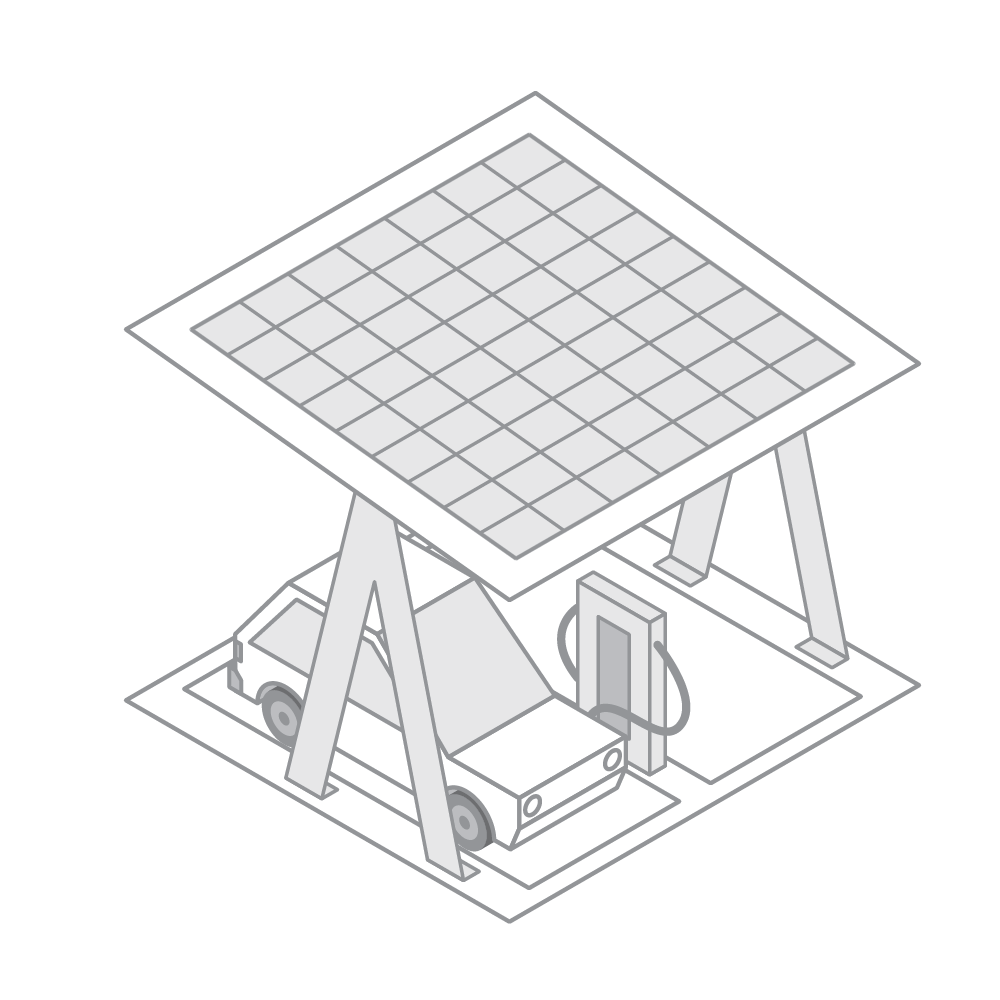
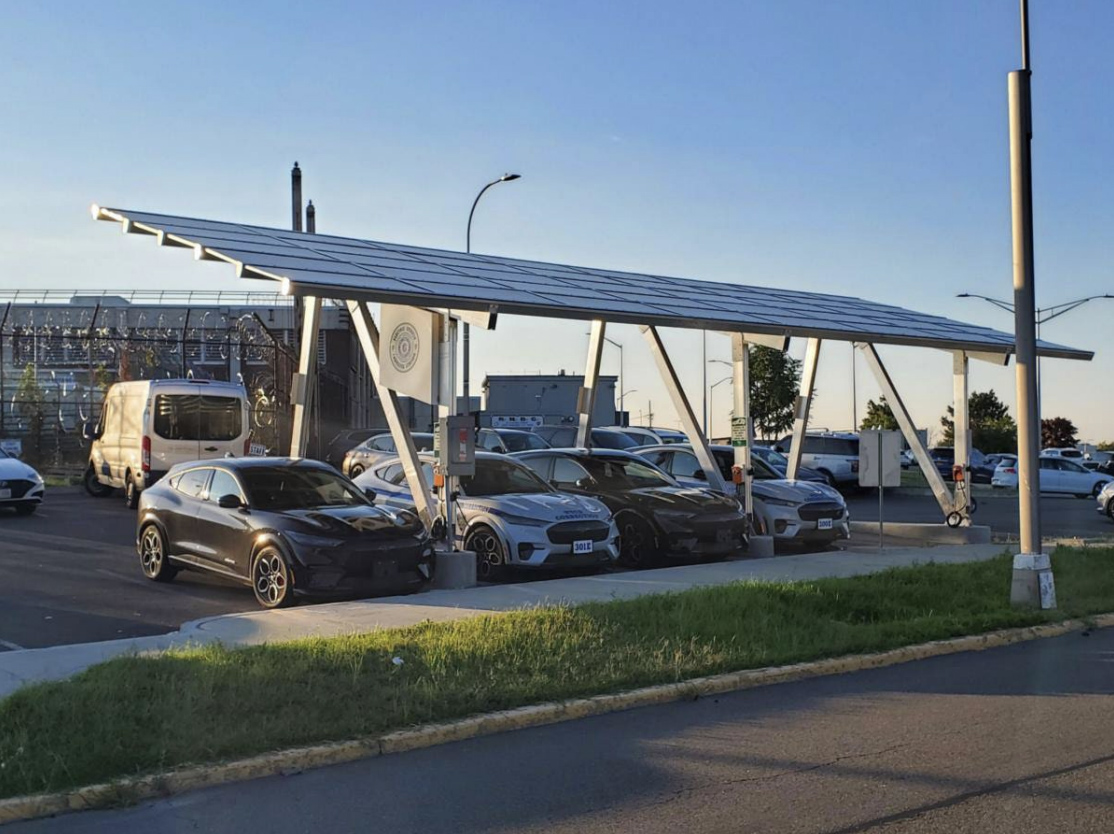
DCAS Fellow Tom Conboy is working on accelerating two key municipal decarbonization initiatives: solar canopy EV charging infrastructure and renewable diesel building heat.
To support DCAS’ solar charging efforts, Tom manages implementation of Local Law 63, which mandates at least five solar canopy installations across the five boroughs by the end of 2026. Working with vendor INF Associates and partner agencies including Parks, DOE, DOT, and NYPD, Tom coordinates site selection across agency properties — balancing energy capacity, parking availability, and capital improvement schedules to deploy at least 25 new Level 2 chargers supporting NYC’s EV fleet.
On renewable diesel, Tom is translating DCAS’s proven vehicle and vessel decarbonization success into building heating applications. DCAS is piloting renewable diesel at a Bronx public school, with plans to expand to additional schools and city-owned buildings. The fuel reduces lifecycle emissions by 60% and drops into existing fuel oil systems without equipment modification. Tom is building a broad stakeholder network — spanning regulatory bodies (DOB, FDNY), industry partners, and research institutions including the California Air Resources Board — to validate performance and scale the pilot across City-owned buildings.
Both initiatives are designed to be replicable beyond New York City, establishing frameworks that other municipalities can adopt. Tom’s Fellowship concludes in November 2026, with all five canopies targeted to be online by Fall 2026 and renewable diesel validation advancing through the current Winter heating season.
View full case study
New York City Department of Transportation (DOT)
AI for City Streets
AI for City Streets leverages computer vision to transform asset inspection from a slow, manual process into a fast, data-driven system. The program aims to reduce inspection time by 75%, enabling the City to assess pavement, road markings, street furniture, and other critical assets with unprecedented accuracy and efficiency, turning what was once a bottleneck into a strategic tool for smarter, more proactive infrastructure management.
Fellow: Catrina Cuadra
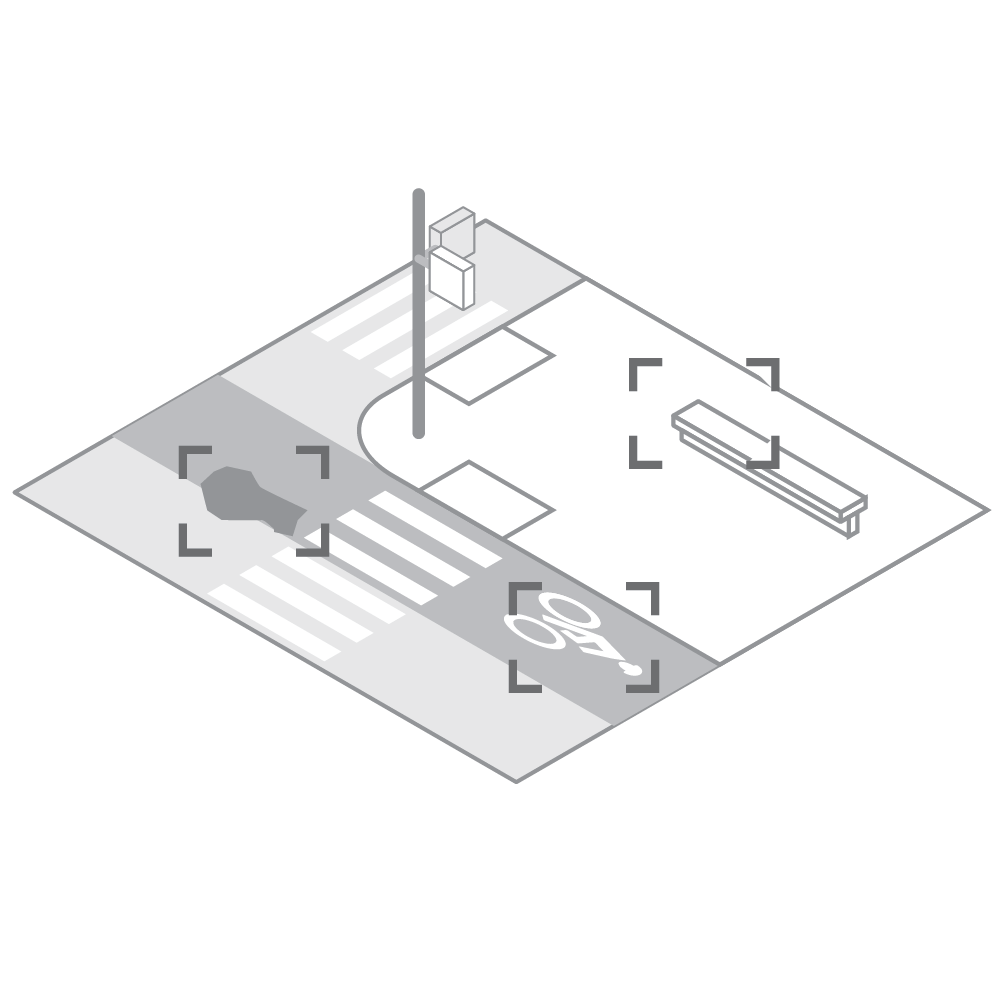

DOT faces mounting pressure to inspect and maintain aging infrastructure as climate change accelerates deterioration across the City’s vast network of streets, bridges, and transportation assets. Traditional inspection methods rely heavily on manual processes, subjective assessments, and fragmented data systems that limit the agency’s capacity to respond proactively.
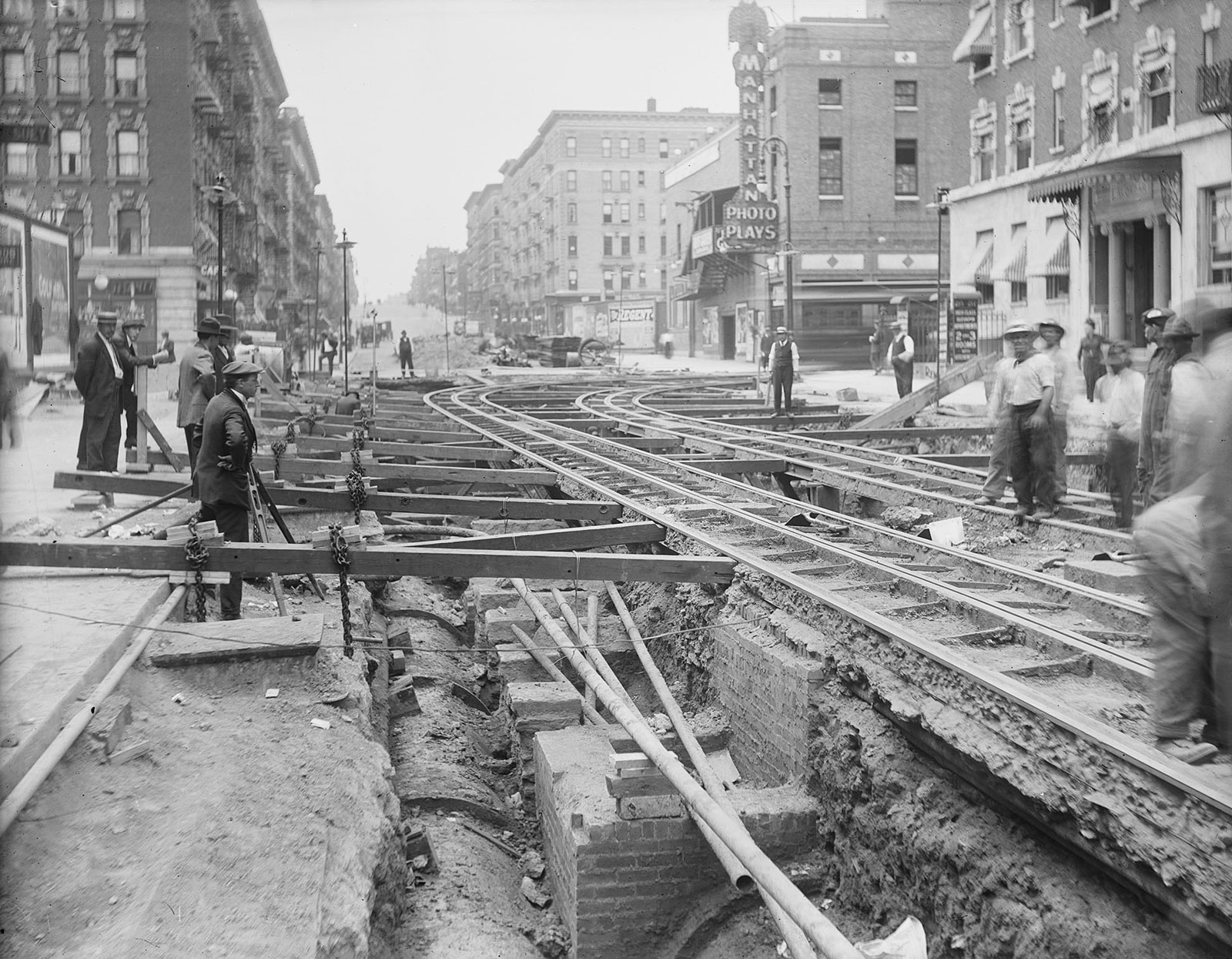
DOT Fellow Catrina Cuadra leads the development of “AI for City Streets,” DOT’s flagship AI initiative designed to integrate computer vision technology into infrastructure management. The program’s first phase focuses on automating pavement and roadway marking assessments, applying machine learning to evaluate street and bike lane conditions with greater frequency and consistency than human inspectors alone can achieve.
Future phases will expand to automated asset detection and inventory, using computer vision to identify and catalog physical infrastructure including street lights, traffic signs, and bike racks. The initiative aims to enable proactive maintenance scheduling while freeing human inspectors to focus on complex assessments that require specialized expertise.
The program represents DOT’s broader strategy to establish more predictive data-driven decision-making processes across the City’s transportation network, with potential implications for infrastructure management in other major urban centers.
View full case study
New York City Department of Environmental Protection (DEP)
Transforming water infrastructure and air quality policy
Through AI-powered pilots, user-driven design, and cross-sector collaboration, DEP is transforming how the City manages water infrastructure and enforces air quality policy — turning complex operational and regulatory challenges into actionable solutions that strengthen efficiency, equity, and climate resilience.
Fellow: Anh Nguyen

Through AI pilots, human-centered design, and cross-sector collaboration, DEP is modernizing how it manages water infrastructure and enforces air quality policy. Serving millions of City residents with 1.1 billion gallons of drinking water daily and treating 1.3 billion gallons of wastewater, DEP has to do this in the face of aging assets, climate change, and persistent air pollution.
DEP Fellow Anh Nguyen focuses on three priorities. First, accelerating GIS digitization of water and sewer assets by applying computer vision to interpret complex engineering drawings, reducing maintenance backlogs while preserving manual oversight. Second, modernizing field inspections using LiDAR, 360° imagery, and AI to detect defects, map above-ground assets, and improve stormwater management. Third, designing an in-house digital compliance platform for a proposed Warehouse Indirect Source Rule, translating complex policy into an intuitive reporting, enforcement, and public transparency system.
Together, these efforts strengthen operational efficiency, regulatory accountability, and climate resilience. By pairing responsible AI with frontline expertise, DEP is building not only smarter infrastructure systems, but also its first AI toolkit — creating reusable frameworks for procurement, governance, and ethical deployment that position the agency for long-term innovation.
View full case study
New York City Department of Sanitation (DSNY)
Scaling waste containerization citywide
Harnessing the power of predictive geospatial models and data-driven planning, the City will be better equipped to identify locations for thousands of stationary on-street waste containers citywide, streamlining operational resources and helping millions of New Yorkers containerize their trash sooner.
Fellow: Stephen Albonesi

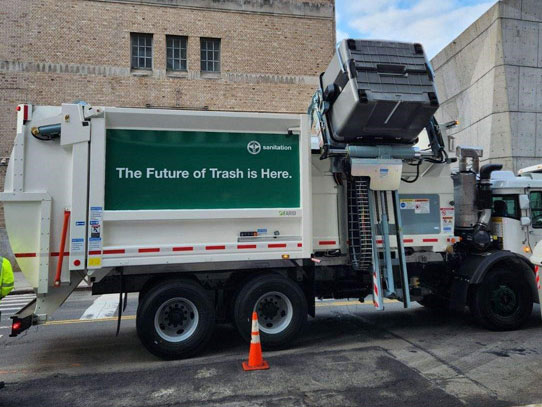
In June 2025, DSNY launched a stationary on-street waste containerization pilot in Manhattan Community District 9 (M9). Schools and large residential buildings across the district use “Empire Bins” — 800-gallon on-street waste containers serviced by custom-built automated side loader trucks. M9 represents the first fully containerized community district in New York City and serves as a critical testing ground for modernizing residential and school waste collection.
As New York City evaluates how to expand the program beyond a single district, DSNY Fellow Stephen Albonesi is conducting a comprehensive analysis of the M9 Pilot to identify opportunities to reduce labor-intensive fieldwork and scale planning processes for future implementation. His project focuses on transforming a complex, manual siting and coordination process into a more efficient, data-driven system.
Stephen’s objectives include documenting and evaluating existing pilot workflows; identifying new data sources and analytical methodologies to strengthen citywide property and streetscape analysis; and developing a more automated, predictive model for siting Empire Bins using GIS, computer vision, and other technologies. His work also explores alternative data sources and verification methods so that property contact information can be automatically populated, validated, and maintained.
By improving planning efficiency and data accuracy, the Fellowship aims to help streamline a program capable of enhancing the storage and collection of up to 14 million pounds of daily residential waste — potentially impacting more than 1.8 million households (59% of housing units) and over 1,200 schools citywide.
View full case study
Mayor’s Office of Contract Services (MOCS)
Procurement reform for innovation
By combining bold, innovation-focused procurement reforms, behind-the-scenes process improvements, and a user-centered approach to reform and implementation, New York City can leverage procurement as a strategic tool–instead of a barrier to avoid–that enables innovations that improve New Yorkers’ lives.
Fellow: Calgary Haines-Trautman

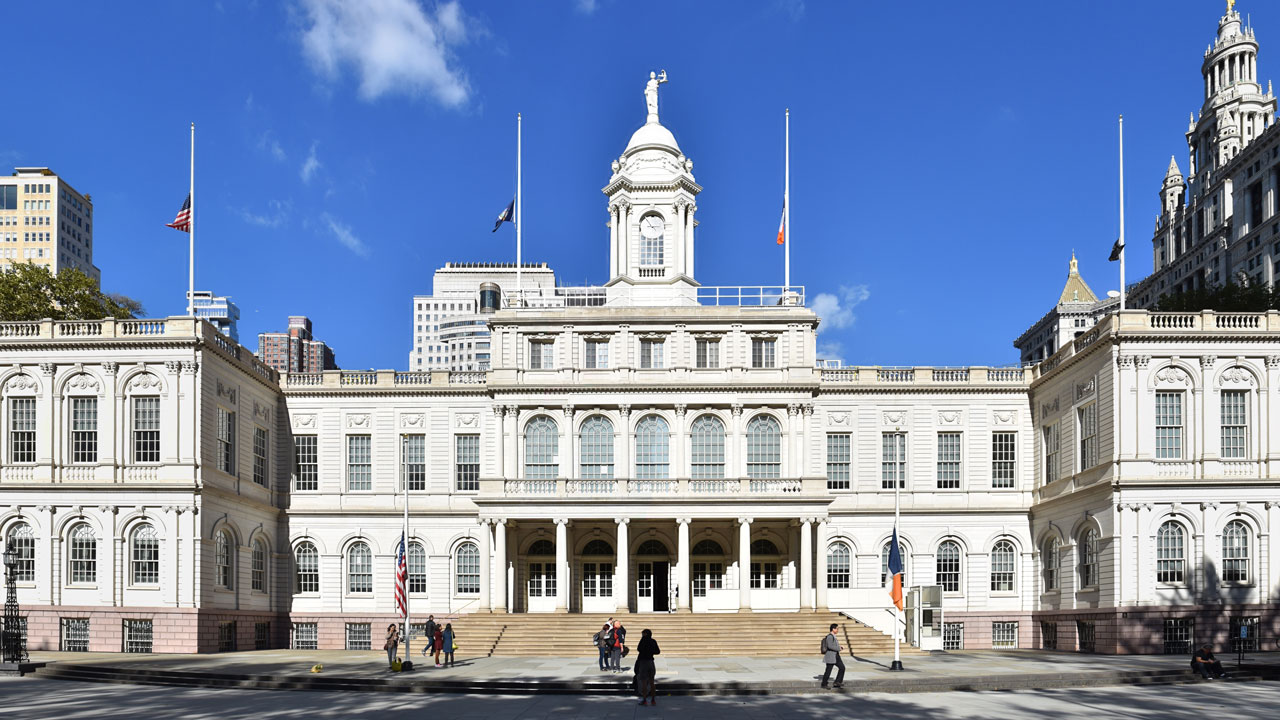
New York City’s $42 billion procurement system shapes nearly every aspect of City life. MOCS Fellow Calgary Haines-Trautman leads procurement reform projects that support innovation, equipping agencies to pursue innovative solutions to urban challenges.
At the center of this work is Challenge-Based Procurement, a new purchasing approach that allows agencies to define a problem, rather than prescriptive requirements, test multiple solutions, and scale successful pilots. Through partnerships with early-adopter agencies, Calgary is producing tools and training to help agencies independently launch their own challenges.
Calgary also supports reforms that streamline City procurement. Calgary led Public Hearing Reform implementation, which replaced cumbersome live hearing requirements with online public notice and comment, reducing procurement timelines by 20 days on average while maintaining transparency. In the Discretionary Grant Pilot, an initiative to help nonprofits receive payments faster, Calgary supported implementation, helping nonprofits receive payments four to ten times faster than in the traditional model.
Across these projects, Calgary applies human-centered design to ensure reforms work for the agency staff, vendors, and public who use them. By emphasizing user research, co-creation, and prototyping, Calgary helps embed a culture of user-centered reform across MOCS.
Together, these initiatives position City procurement as a driver of innovation that delivers better and more efficient services for New Yorkers.
View full case study
New York City Economic Development Corporation (NYCEDC)
Streamlining the pilot to procurement pipeline
Economic development can take many forms, from traditional incentive programs and workforce development initiatives to new methods like leveraging the City as a customer to support innovative industries. The NYCEDC aims to build bridges between successful pilot programs and at-scale procurement opportunities to the benefit of the City and the business community.
Fellow: Meera Kumar
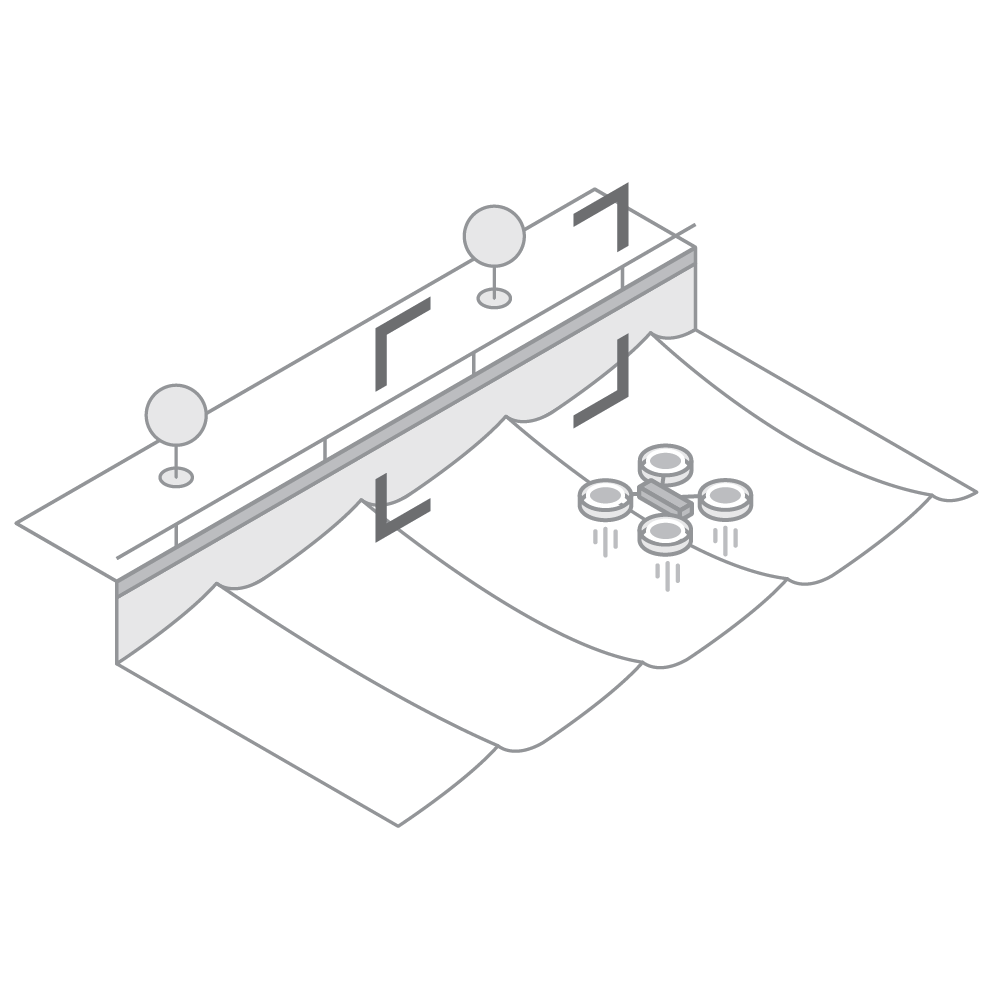
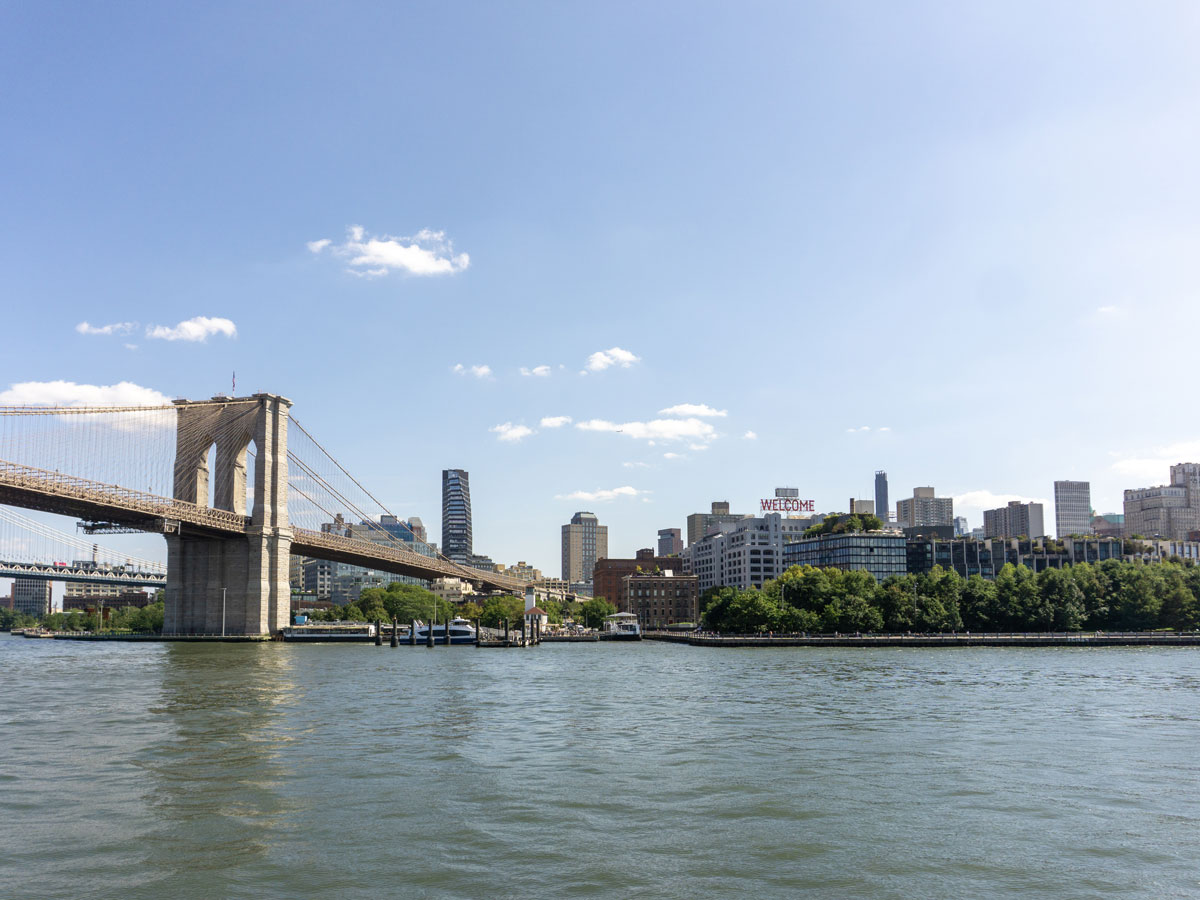
NYCEDC is leveraging Challenge-Based Procurement to streamline the pathway from successful pilot programs to scaled procurement opportunities. NYCEDC Fellow Meera Kumar identified waterfront inspection and mapping as the inaugural challenge, asking: “What is the most efficient and effective way to capture, process, and prioritize waterfront imagery to enable streamlined inspections?”
NYCEDC manages all waterfront inspections for more than 350 miles of City-owned waterfront property, representing two-thirds of New York City’s total waterfront. Current inspection methodologies, largely unchanged over decades, rely on consulting firms and lack a visual baseline for tracking change over time. While panoramic imagery was captured in 2014, it has never been updated, making it impossible to meaningfully compare conditions asset-by-asset.
The challenge seeks solutions that provide high-definition panoramic imagery of above-water waterfront, underwater shoreline imagery for condition assessment, and predictive analysis to enable preventative maintenance. Winning solutions will be evaluated through a pilot where vendors map and deliver graded imagery of up to 15 linear miles of East River waterfront and three underwater sites with diverse infrastructure types.
This Challenge-Based Procurement serves multiple objectives: it improves NYCEDC’s inspection efficiency while establishing New York City as a hub for drone and robotics innovation. Successful pilots will be procured at scale through follow-on contracts, creating a replicable model that other NYCEDC teams can adopt for their own procurement needs. The project demonstrates how procurement can serve as a strategic tool to support innovation and business growth rather than simply a bureaucratic hurdle.
View full case studyLooking ahead
As the Fellowship enters its second year under a new mayoral administration, the Urban Tech Hub is shifting gears from project execution to measurement, impact analysis, and knowledge translation. The program aims to document progress, extract lessons applicable to other city agencies and municipalities across the country, and develop practical playbooks for building innovation capacity in local government.
As we continue our work, we welcome thoughts on the foregoing from other cities and researchers working on similar challenges. Please reach out at urban.innovation@cornell.edu